Another Major Setback for Afghanistan Cricket as Scotland Makes a Surprising Decision
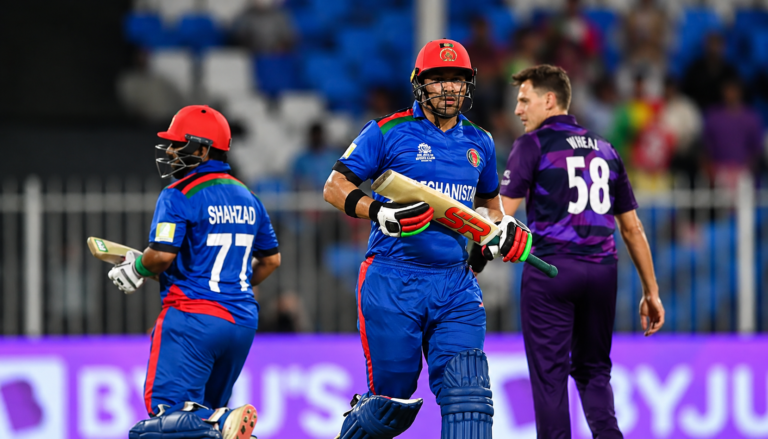
Afghanistan’s cricket team has suffered another setback on the international stage as Cricket Scotland has announced that it will not play bilateral cricket series against Afghanistan. The decision follows similar positions taken by England and Australia and comes amid continuing concerns over women’s cricket and human rights in Afghanistan.
According to a statement issued by Cricket Scotland, the board has decided to suspend bilateral cricket arrangements with Afghanistan until improvements are made in the country’s women’s cricket and human rights situation.
However, Scotland will continue to compete against Afghanistan in tournaments organized by the International Cricket Council (ICC).
Why Has Scotland Refused to Play Afghanistan?
Cricket Scotland explained that its decision is linked to concerns about restrictions on women’s participation in cricket and the broader human rights situation in Afghanistan.
The board stated that it would not organize or participate in bilateral cricket series against Afghanistan under the current circumstances.
It also clarified that playing against Afghanistan in ICC competitions should not be interpreted as support for the Afghan government or its policies.
The decision reflects Cricket Scotland’s position on equality, inclusion and human rights in international sports.
Scotland Will Also Avoid Tri-Nation Series
Cricket Scotland’s decision is not limited to bilateral matches.
According to the announcement, Scotland will also avoid participating in any tri-nation cricket series involving Afghanistan.
The board further confirmed that it would not take part in joint training camps, practice matches or warm-up fixtures with the Afghan national team.
These restrictions will remain in place until the concerns identified by Cricket Scotland are addressed.
However, matches between Scotland and Afghanistan in official ICC tournaments will continue.
What About Afghan Premier League Participation?
Cricket Scotland also addressed the possible participation of Scottish players in the Afghanistan Premier League (APL).
The board clarified that participation by individual Scottish cricketers in the league should not be considered an endorsement of the Afghan government or its policies.
This distinction separates individual players’ professional opportunities from the national board’s position on bilateral cricket arrangements.
Afghanistan’s Previous Requests Were Rejected
According to the report, the Afghanistan Cricket Board contacted Cricket Scotland in July 2026 to request training facilities ahead of its series against Ireland.
However, Cricket Scotland rejected the request.
The report further stated that Afghanistan made another request in September concerning the Afghanistan Premier League.
Cricket Scotland said its decisions regarding Afghanistan followed communications with the Afghanistan Cricket Board.
These developments indicate that discussions had taken place before the latest policy announcement.
England and Australia Have Taken Similar Positions
Scotland is not the first cricketing nation to take such a position.
England and Australia have also declined to play bilateral cricket against Afghanistan because of concerns surrounding women’s cricket and human rights.
The latest decision adds to the challenges facing Afghanistan in arranging bilateral international cricket.
Despite these restrictions, Afghanistan’s men’s national team remains eligible to compete in ICC tournaments.
How Could This Decision Affect Afghanistan Cricket?
The suspension of bilateral cricket arrangements may reduce opportunities for Afghanistan to play international matches against certain countries.
Bilateral series are important for teams because they provide competitive experience, opportunities for player development and international exposure.
Restrictions on practice matches and training arrangements could also create additional logistical challenges.
However, Afghanistan will still be able to face Scotland in ICC competitions, meaning the two teams are not completely prevented from playing against each other.
Will Scotland Reconsider Its Decision?
Cricket Scotland has linked its policy to improvements in women’s cricket and human rights in Afghanistan.
This means the board could reconsider its position if circumstances change.
For now, Scotland has made it clear that bilateral series, tri-nation competitions involving Afghanistan and joint training activities will not take place.
The decision has raised an important question about the future of Afghanistan’s international cricket relationships.
Will more cricket boards adopt similar restrictions, or could improvements in women’s access to cricket eventually lead to the restoration of bilateral matches?
The coming months may provide a clearer picture of how this decision affects Afghanistan’s cricketing future.