Where Is Pakistan’s Polio Virus Coming From? New Report Reveals Genetic Links With Afghanistan
Pakistan’s efforts to eliminate polio are facing renewed challenges after a media report claimed that approximately 40% of the country’s reported polio cases in 2026 involved virus strains genetically linked to those circulating in Afghanistan. The findings have raised concerns about cross-border transmission and the need for stronger vaccination and disease surveillance measures.
According to a report published on November 7, 2026, sources claimed that genetic analysis of poliovirus samples collected from several areas of Pakistan revealed similarities with virus strains previously identified in Afghanistan.
The report also raised concerns about unregulated cross-border movement, although genetic similarities alone cannot establish the exact route of transmission or identify particular individuals responsible for spreading the virus.
Polio Samples From Several Pakistani Cities Linked to Afghan Strains
According to the reported findings, environmental samples collected from Quetta, Karachi, Peshawar, Jamshoro and Khyber showed genetic connections with poliovirus strains circulating in Afghanistan.
Environmental surveillance involves collecting and testing sewage samples to identify whether poliovirus is present in a particular community.
This method helps health authorities detect the virus even when no new cases of paralysis have been reported.
The report further claimed that all three polio cases identified in Khyber district during the reported period involved virus strains genetically similar to those found in Afghanistan.
Such findings can help researchers understand how poliovirus circulates across geographical regions.
However, genetic connections do not necessarily prove that a virus entered Pakistan through a particular border crossing or was carried by someone of a specific nationality.
How Many Polio Cases Have Been Reported?
According to figures cited by sources in the November 7 report, Afghanistan had recorded 50 polio cases during 2026, while Pakistan had reported nine.
The report also claimed that approximately 40% of Pakistan’s cases showed genetic links with virus strains circulating in Afghanistan.
These figures have not been independently verified against official surveillance records and should be treated as reported claims rather than confirmed current totals.
The report identified Nangarhar, Kabul, Kandahar and Helmand as Afghan areas where poliovirus had been detected in environmental samples.
The reported findings highlight the importance of coordinated disease monitoring in both countries.
Why Is Cross-Border Poliovirus Transmission a Concern?
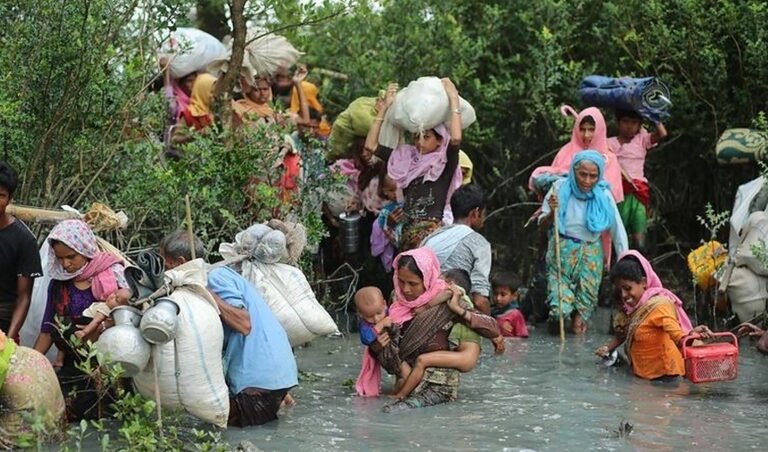
Pakistan and Afghanistan share a long border, with people travelling between the two countries for trade, family visits, employment and other purposes.
Poliovirus can spread through infected people, including individuals who do not show symptoms.
The virus is primarily transmitted through the fecal-oral route, often involving contaminated water, food or hands.
Because infected individuals may carry and transmit the virus without developing paralysis, detecting every transmission is difficult.
Population movement between areas where poliovirus continues to circulate can contribute to its geographical spread.
Health experts therefore emphasize the importance of vaccination, environmental surveillance and coordinated public health measures on both sides of the border.
How Dangerous Is Polio for Children?
Polio is a highly infectious viral disease that mainly affects children under the age of five.
Most infections do not cause paralysis, but in a small proportion of cases, the virus can attack the nervous system and cause permanent disability.
Severe infections can also affect the muscles responsible for breathing and may become life-threatening.
There is no cure that reverses paralysis caused by polio, making vaccination essential for prevention.
Children who receive the recommended polio vaccinations are significantly better protected against the disease.
Why Does Pakistan Continue to Face Polio Challenges?
Despite years of vaccination campaigns, poliovirus transmission remains a public health concern in Pakistan and Afghanistan.
Several factors can make eradication difficult, including missed vaccinations, difficulties reaching certain communities, population movement and gaps in sanitation.
When children remain unvaccinated or inadequately protected, the virus can continue circulating.
Environmental surveillance is particularly important because it can reveal virus transmission before new paralysis cases are identified.
The reported genetic connections between poliovirus strains in Pakistan and Afghanistan underline the need for continued cooperation between public health authorities.
What Can Parents Do to Protect Their Children?
Health authorities recommend that parents ensure their children receive all routine vaccinations according to the national immunization schedule.
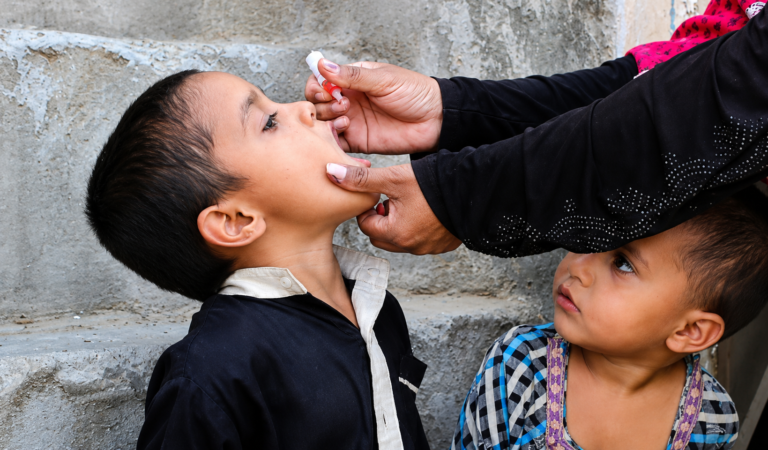
Children under five should also receive oral polio vaccine during supplementary vaccination campaigns, even if they have previously received polio drops.
Repeated vaccination campaigns help strengthen community protection and reduce the opportunities for the virus to spread.
Access to clean drinking water, proper sanitation and good hand hygiene also supports broader efforts to prevent infectious diseases.
Can Pakistan Become Polio-Free?
Eliminating polio requires sustained vaccination coverage, effective surveillance and cooperation between neighbouring countries.
The reported genetic similarities between virus strains circulating in Pakistan and Afghanistan demonstrate why coordinated regional efforts are important.
However, the presence of genetically related strains should not be used to blame a particular nationality or population group.
Public health responses are most effective when they focus on protecting children, improving vaccination access and identifying areas where the virus continues to circulate.
For Pakistan, the priority remains ensuring that every child receives the necessary vaccinations while strengthening surveillance in communities where poliovirus may still be present.
The ultimate goal is to interrupt transmission completely and protect future generations from this preventable disease.