
Sleeping With Your Phone Near Your Pillow? Experts Explain Why You Should Change This Habit
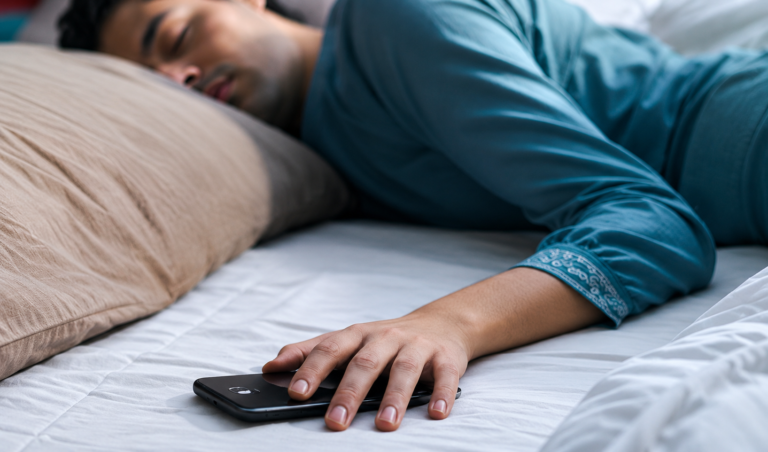
HEALTH DESK: Many people have developed the habit of keeping their smartphones next to their pillows or under their bedsheets while sleeping. Although this may seem convenient, sleep experts warn that excessive smartphone use before bedtime can negatively affect sleep quality and overall well-being.
According to health experts, screen exposure, late-night notifications and the temptation to repeatedly check messages can disturb natural sleep patterns. These habits may leave people feeling tired even after spending several hours in bed.
Experts recommend keeping mobile phones away from pillows and limiting screen time before bedtime to encourage healthier sleeping habits.
How Keeping Your Phone Nearby Can Affect Sleep
Smartphones have become an essential part of everyday life. From social media and entertainment to communication and work, people rely heavily on their devices throughout the day.
However, using a smartphone immediately before going to sleep can make it harder for the brain to relax.
Many individuals spend considerable time scrolling through social media, watching videos or responding to messages while lying in bed.
This activity can increase mental alertness and delay the onset of sleep.
When a smartphone is placed near the pillow, incoming calls, notifications and vibrations may also interrupt sleep during the night.
Even brief awakenings can affect sleep continuity, particularly when someone picks up the phone and begins using it again.
Over time, these interruptions may contribute to poor sleep quality and daytime tiredness.
Blue Light and Its Impact on Melatonin
One of the main concerns associated with nighttime smartphone use is exposure to screen light.
Smartphone screens emit visible light, including blue wavelengths, which can influence the body’s natural sleep-wake cycle.
The human body produces a hormone called melatonin, which helps regulate sleep.
Melatonin production normally increases during the evening as natural light decreases, signaling that it is time to rest.
However, exposure to bright screens at night can temporarily suppress or delay melatonin production.
This may make it more difficult to fall asleep at the usual time.
Researchers have also found associations between bedtime screen use and disrupted sleep, although the effects vary depending on screen brightness, duration of exposure and individual habits.
The content people consume on their phones can also affect sleep. Exciting videos, stressful messages and emotionally engaging social media discussions may keep the brain active long after the device has been switched off.
Why Do Some People Feel Tired After Eight Hours of Sleep?
Getting enough sleep is important, but sleep quality matters just as much as the number of hours spent in bed.
Some people report feeling exhausted even after sleeping for seven or eight hours.
One possible explanation is interrupted or fragmented sleep.
If phone notifications, vibrations or screen exposure repeatedly disturb someone during the night, they may not experience consistently restful sleep.
However, persistent fatigue is not necessarily caused by smartphone use.
Stress, irregular sleeping schedules, insufficient sleep and certain medical conditions can also contribute to morning tiredness.
People who regularly feel exhausted despite adequate sleep should consider seeking medical advice.
Is It Safe to Keep a Phone Under Your Pillow?
Keeping a smartphone under a pillow can present an additional concern, particularly when the device is charging.
Smartphones generate heat during operation and charging.
If a device is covered by a pillow, blanket or other bedding, heat may not dissipate effectively.
This can increase the risk of overheating, especially if the phone, battery or charging equipment is damaged.
For safety, smartphones should be charged on a firm, uncovered surface with adequate ventilation.
It is also important to distinguish these overheating risks from claims about mobile phone radiation.
There is currently no conclusive scientific evidence that ordinary radiofrequency exposure from a phone placed near a pillow directly causes sleep disorders or other health problems.
The better-established concerns relate to nighttime screen use, notifications, sleep disruption and unsafe charging practices.
How to Reduce Smartphone Use Before Bedtime
Experts suggest establishing a consistent bedtime routine and reducing activities that interfere with relaxation.
Avoiding smartphone use for at least 30 minutes before bedtime may help some people fall asleep more easily.
Others may benefit from a longer screen-free period, depending on their personal sleep habits.
Turning off unnecessary notifications can also reduce the temptation to check messages throughout the night.
Smartphones offer features such as Do Not Disturb, Sleep Mode and notification scheduling, which can help minimize interruptions.
People who need to remain available for emergencies can configure their phones to allow calls from selected contacts.
If a smartphone is used as an alarm clock, placing it on a bedside table away from the pillow may be a practical solution.
Healthy Habits for Better Sleep
Improving sleep quality often requires several small lifestyle changes.
Maintaining regular sleeping and waking times can help support the body’s natural circadian rhythm.
Keeping the bedroom dark, quiet and comfortably cool may also encourage more restful sleep.
Avoiding caffeine close to bedtime and reducing stimulating activities late at night can further support healthy sleeping patterns.
Instead of scrolling through social media, individuals may choose relaxing activities such as reading, gentle stretching or listening to calming audio.
These habits can help establish a consistent transition between daytime activity and nighttime rest.
Where Should You Keep Your Phone While Sleeping?
Sleep experts generally recommend placing smartphones away from the pillow and avoiding unnecessary screen use once it is time to sleep.
A bedside table or another suitable surface away from bedding is a practical option.
If the phone is charging, it should remain uncovered and positioned where heat can escape safely.
Keeping the device slightly farther away may also discourage repeated checking of notifications during the night.
Ultimately, smartphones are not automatically harmful simply because they are present in a bedroom. The main concern is how they are used and whether they interfere with sleep.
Reducing late-night screen exposure, managing notifications and maintaining a consistent bedtime routine can help improve sleep habits.
Making these small adjustments may lead to more restful nights and better daytime alertness.